Running a restaurant on gut feel works until it doesn't. The owners who stay open and grow are the ones who watch a small set of numbers closely enough to spot problems while they are still small. You do not need an accounting background or expensive software — most of these metrics come straight out of your order and sales data. Here are the eight that matter most, what each one tells you, and the trap to avoid with each.
1. Average Order Value (AOV)
AOV is total revenue divided by number of orders. It tells you how much a typical guest or table spends. It is the easiest lever to move because raising it does not require more customers — just more value per visit, through upsells, combos, sides, and drinks. Track it weekly. A rising AOV with steady traffic is one of the healthiest signals a restaurant can show. The trap: a sudden AOV jump can simply mean fewer small orders, not richer ones, so always read it alongside order count.
2. Orders / Covers per Day
Raw demand. How many orders or guests you serve per day, plotted over time, is your truest pulse. The number itself matters less than its trend and its shape across the week. A steady decline over several weeks is an early warning that something — food, service, a new competitor — needs attention before it shows up in the bank balance.
3. Sales per Hour (and Your Peak Curve)
Total daily sales hide the most useful pattern: when the money actually comes in. Break revenue down by hour and a curve appears — your lunch spike, your dead 3 p.m., your dinner rush. This single view drives smarter prep and staffing than any other metric. A live sales view, like the hourly breakdown in GetFreeMenu's reports, turns this from a monthly guess into something you can see today. The trap: staff to the average and you will be slammed at peak and overstaffed in the lulls — always staff to the curve.
4. Table Turnover Rate
For dine-in, this is how many times a table is used during a service period. Higher turnover means more revenue from the same floor space. If turnover is low, the bottleneck is usually one of three things: slow kitchen times, slow payment, or guests lingering because no one has cleared or presented the check. A faster checkout flow — for example, a guest-initiated "request check" button — directly improves this number.
5. Item Conversion Rate
Of the people who view a given item, how many actually order it? This is where a digital menu reveals what paper never could. A dish with high views but low orders has a description, price, or photo problem — it gets attention but loses the sale. A dish with high conversion is a quiet star you should feature more prominently. Per-item conversion tracking turns your menu into a continuous experiment.
6. Void and Cancellation Rate
The percentage of items cancelled or voided after being ordered. A creeping void rate is a symptom — of kitchen errors, out-of-stock items, slow tickets, or unclear menu descriptions that lead guests to order the wrong thing. It is also the metric most owners never look at, which is exactly why it is worth a weekly glance. Each voided item is food cost you paid for and revenue you did not earn.
7. Food Cost Percentage
Food cost divided by the revenue it generated, expressed as a percentage. Most full-service restaurants target somewhere around 28–35%, though it varies widely by concept. The danger is watching the blended average and missing the detail: one mispriced dish or one supplier increase can quietly wreck the margin on your best seller. Pair this with menu engineering (margin per item) for the full picture rather than relying on the average alone.
8. Repeat / Returning Customers
New customers cost money to acquire; returning customers are nearly free and spend more over time. Even a rough proxy — a loyalty signal, repeat table-ordering sessions, or simply asking — tells you whether you are building a base or refilling a leaky bucket. A restaurant with strong repeat business can survive a slow month; one that churns through first-timers cannot.
How to Actually Use These
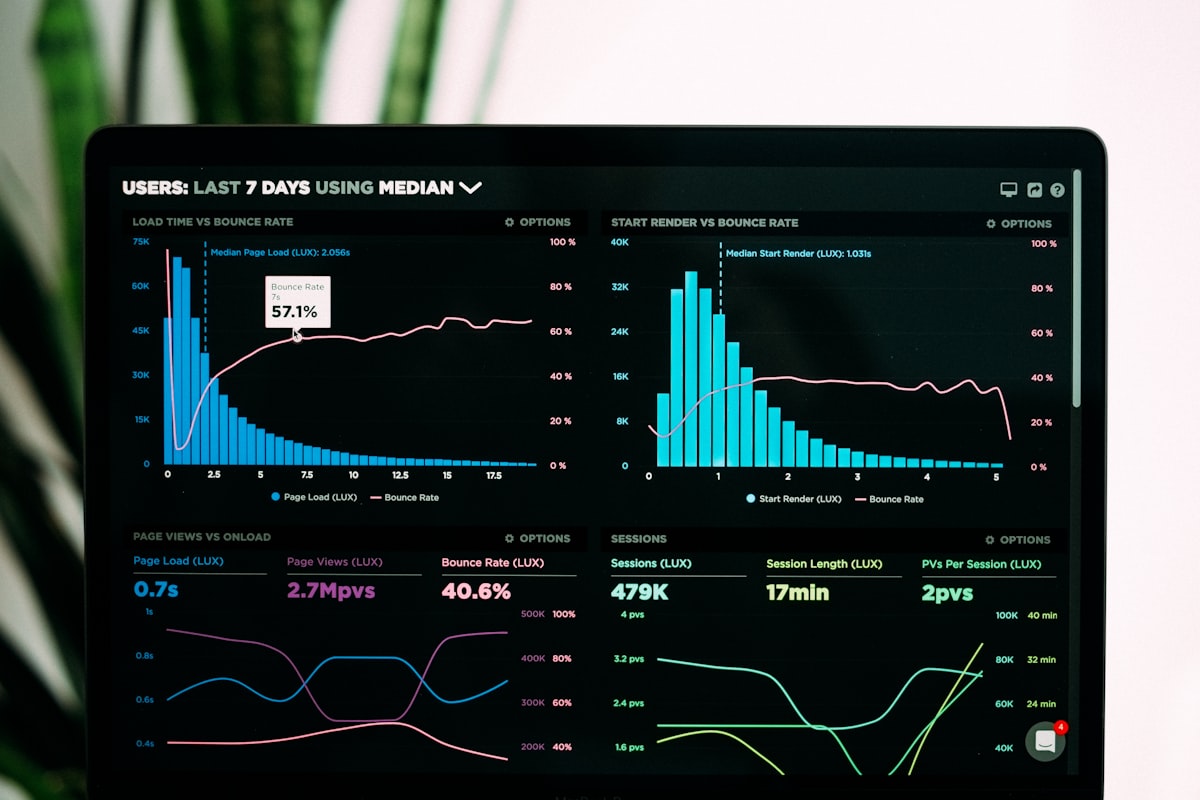
Do not try to track all eight perfectly from day one. Start with three — AOV, daily orders, and sales-per-hour — because they are easy to pull and immediately actionable. Put them on a single dashboard you check at the end of each day and review as a trend each week.
The goal is not a beautiful report. It is a short feedback loop: notice a number moving, form a hypothesis about why, make one change, and watch whether the number responds. A restaurant that runs that loop consistently — even on rough, approximate data — will out-manage a competitor flying blind every single time.
Most of these numbers are already sitting in your order history. The only thing standing between you and them is a system that surfaces them. Once they are visible, the decisions tend to make themselves.