Food waste and overstaffing are two of the largest controllable costs in any restaurant, and they share a single root cause: preparing for a demand you only guessed at. The fix is not a crystal ball. It is the data you already generate every day. Your sales history tells you what sells, when it sells, and how much — and once you can read it, prep and scheduling stop being a gamble and become a plan. This guide shows you how.
Waste Is a Forecasting Problem
Most spoilage does not come from theft or sloppiness. It comes from prepping or ordering for a busy night that turned out quiet, or buying a case of an ingredient that goes into one slow-moving dish. Every wasted portion is food cost you paid for and threw away — a direct subtraction from profit that no amount of extra sales fully recovers.
The antidote is item-level sales velocity: how many of each dish you actually sell per day and per week. Once you know that a given item moves twelve to fifteen plates on a typical Friday and three on a Tuesday, you can prep and order to that reality instead of to fear. Pull the per-item breakdown from your sales reports and rank dishes by volume. The fast movers justify daily fresh prep; the slow movers should be made to order or prepped in small batches.
Read the Hourly Curve Before You Prep
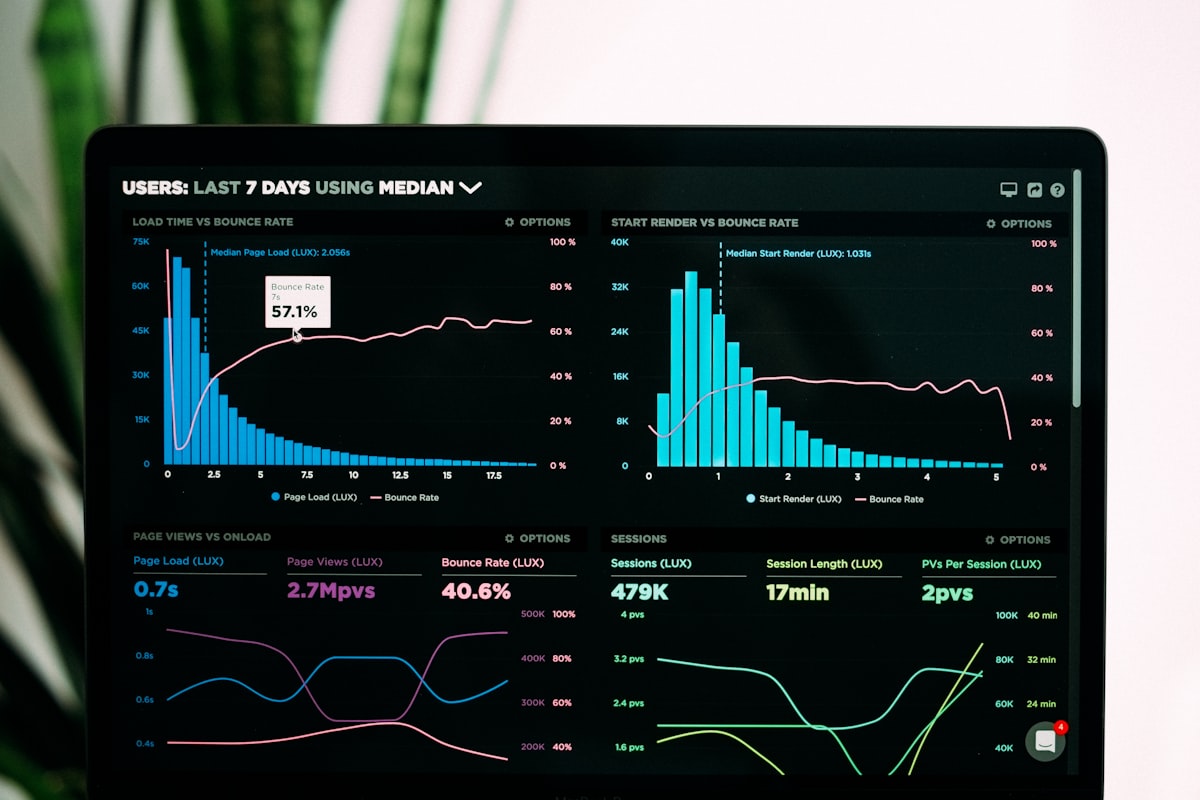
Daily totals are too blunt for prep decisions. The useful view is hourly. When you break a day's sales down by hour, your real demand shape appears: the pre-lunch trickle, the noon wall, the mid-afternoon collapse, the dinner build. Reports that show an hourly breakdown — like the daily sales report and live sales view in GetFreeMenu — turn this into something you can act on the same day.
That curve answers prep questions directly. If 70% of a dish's sales happen between 12:00 and 1:30, you prep for that window and stop topping up at 2:30 when demand has cratered. If your dinner rush reliably starts at 7, the kitchen times its mise en place to be ready at 6:45, not exhausted by 6. Matching prep to the curve is the single biggest waste reduction most kitchens can make.
Turn the Same Data Into a Staffing Plan
The hourly curve is also your labor schedule. Overstaffing the slow hours and understaffing the rush are both expensive — one burns payroll, the other burns your reputation through slow service and mistakes. Staff to the curve, not the average.
Look at your busiest hours across the last several weeks and you will find they are remarkably consistent. Friday dinner looks like last Friday dinner. Use that. Schedule more hands for the predictable peaks and fewer for the troughs, and build in a small buffer for the days that run hot. Even a single over-scheduled shift per week, eliminated, adds up to real money across a year — money that was being spent on staff standing around during a 3 p.m. lull.
Watch the Weekly and Seasonal Pattern
Zoom out from the day to the week and a second pattern emerges. Most restaurants have a clear rhythm — slow start to the week, a Thursday-to-Sunday surge. Knowing your specific shape lets you schedule deliveries for just before the busy days so ingredients arrive fresh, and lets you plan promotions for the slow days when an extra push actually changes the outcome.
Seasonality matters too. A dish that flies in winter may drag in summer. Comparing the same period across weeks and months keeps you from over-ordering an ingredient whose dish is heading into its off-season, and flags the rising stars early so you never run out during a surge.
A Simple Weekly Routine
You do not need a data team. You need fifteen minutes a week. Open last week's sales report. Note the top movers and the dead items. Glance at the hourly curve for your busiest two days. Then make three concrete decisions: what to prep more of, what to prep less of or make to order, and where to add or cut a shift. Write them down and check next week whether they worked.
This loop compounds. Each week your prep gets a little tighter, your orders a little leaner, and your schedule a little more matched to reality. Within a couple of months the waste bin is noticeably lighter and the payroll is doing more with less — not because you worked harder, but because you finally let the data you were already collecting do the forecasting for you.
The Bigger Point
Sales data is not just a scoreboard for how last month went. It is a forward-looking planning tool. The same numbers that tell you what happened tell you what to prepare for next — if you read them with that intent. The restaurants that treat their reports as a weekly planning input, not a monthly post-mortem, are the ones that quietly run leaner, waste less, and keep more of every dollar that comes through the door.