Artificial intelligence has quietly moved from a buzzword to a back-office tool in restaurants. The reality is far less dramatic than the headlines: no robots are replacing your chefs. Instead, AI is showing up as practical software that forecasts how busy tomorrow will be, trims the labor and food waste that erode your margin, and takes routine work off your team's plate. This guide walks through where AI genuinely helps restaurant operations today and in the near future — from an owner's perspective, without the hype.
AI in the Front of House
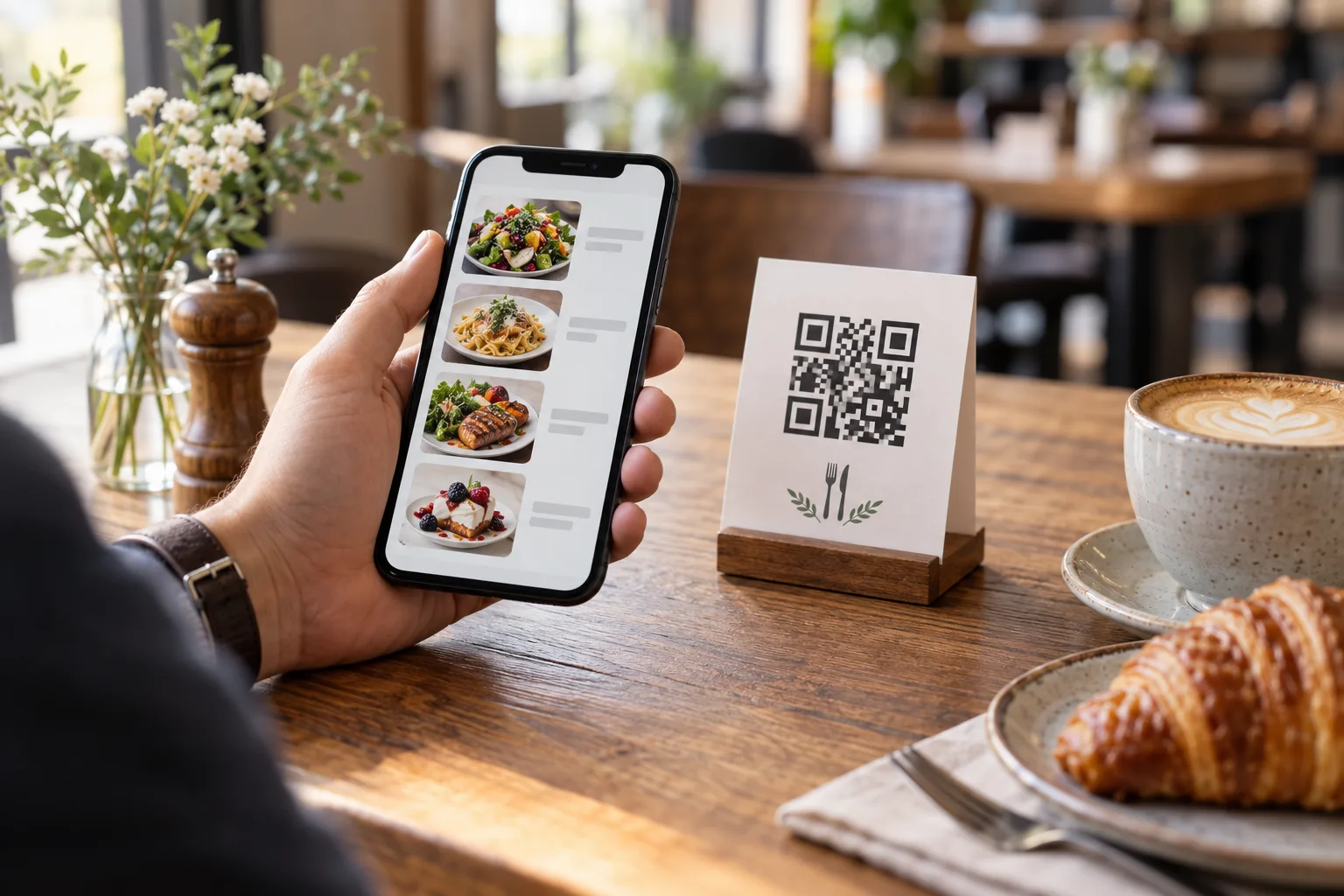
The most visible changes are happening where guests interact with your restaurant. AI-powered ordering — chat assistants on your website, voice ordering at the drive-thru, and smart recommendations on a digital menu — handles routine requests so staff can focus on hospitality. A menu that learns which items a guest views and suggests a natural add-on can lift the average check without a single upsell script.
Reservations and wait times are getting smarter too. AI can predict how long a table will actually take to turn, give guests an accurate wait estimate, and reduce the no-shows that quietly cost you covers. None of this removes the human welcome — it removes the friction around it.
Smarter Kitchen and Prep
Behind the pass, the biggest win is demand forecasting. By reading your sales history alongside signals like the day of the week, local events, and even the weather, AI can predict how many portions of each dish you are likely to sell. Prep the right amount and you throw away less, run out of fewer items during service, and keep your food cost under control.
AI is also starting to help sequence kitchen tickets intelligently and, in larger operations, monitor consistency and food safety through camera systems. For most independents, the practical takeaway is simpler: better forecasting means calmer, more predictable service.
Labor Scheduling Without the Guesswork
Scheduling is one of the hardest and most expensive parts of running a restaurant, and it is where AI pays off fastest. Instead of guessing how many people you need on a Friday night, AI scheduling tools match staffing to predicted covers hour by hour, factoring in sales history, local events, weather, and each employee's availability and preferences.
The result is fewer nights where you are overstaffed and bleeding labor cost, and fewer where you are understaffed and burning out your team. Getting labor percentage under control is often the single biggest margin lever an owner has, and this is exactly the kind of repetitive, data-heavy decision AI is good at.
Inventory and Waste Reduction
Food waste is lost profit sitting in your bin. AI-driven inventory tools track how quickly you use each ingredient, predict when you will need to reorder, flag items at risk of spoiling, and can even draft purchase orders for you. Tied to your recipes and portioning, this turns inventory from a weekly guessing game into a controlled system — and it directly supports the kind of data-driven waste reduction that separates profitable kitchens from struggling ones.
The Data You Already Have
Here is the catch every owner needs to understand: AI is only as good as the data you feed it. And most restaurants are sitting on a goldmine they never collect. Every menu view, order, table turn, and peak-hour rush is a data point — but a paper menu and a cash drawer capture none of it.
A digital menu and ordering system quietly builds the dataset AI needs. A free tool like GetFreeMenu records every menu view, order, and busy-hour pattern automatically, which gives you useful analytics today and an AI-ready foundation for tomorrow. You do not need to predict the future of AI to prepare for it — you just need to stop throwing your data away.
What Owners Should Do Now
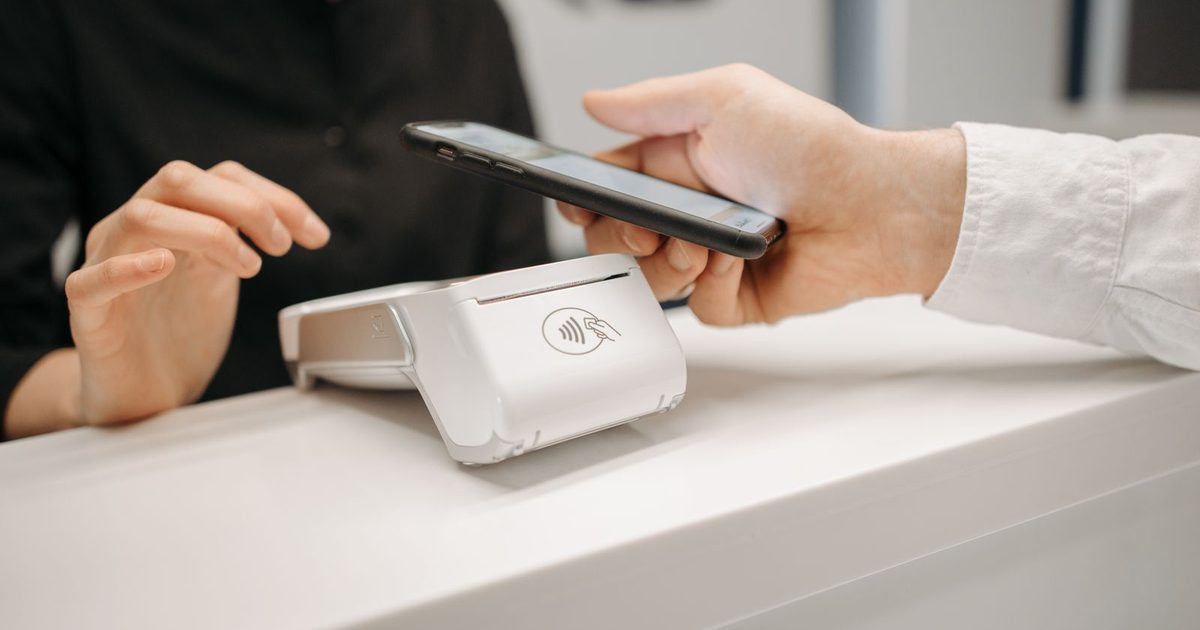
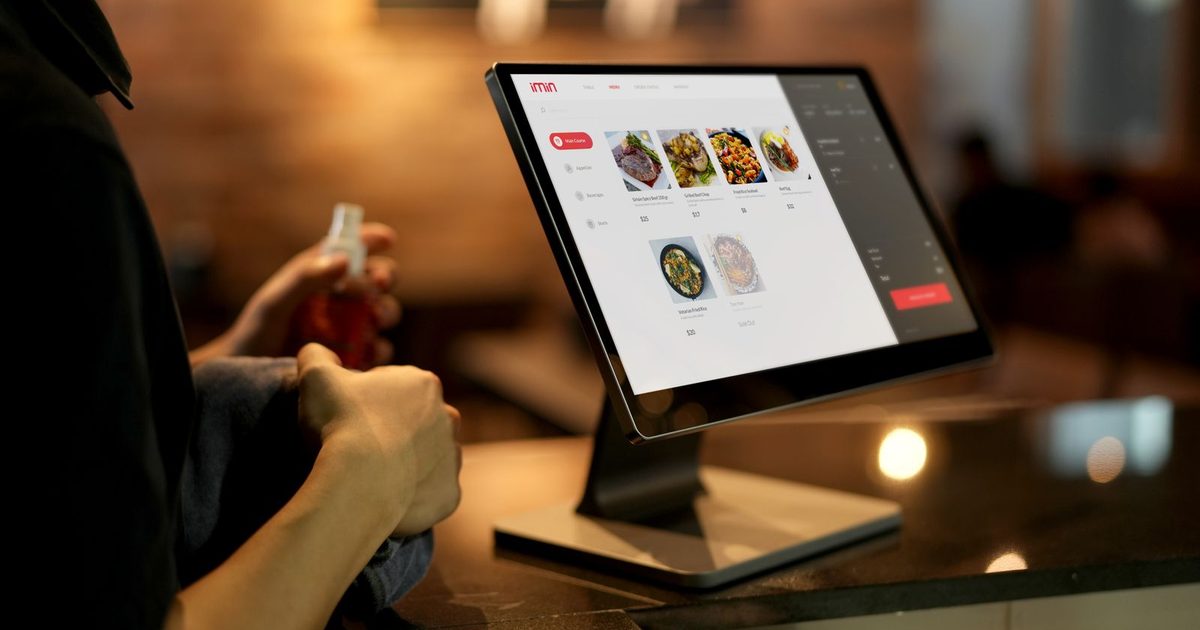
Start small and stay grounded. First, adopt tools that capture clean data: a digital menu, a modern POS, and online ordering. Second, pilot one AI feature that solves a real pain — usually scheduling or demand forecasting — and measure the result before expanding. Third, keep humans firmly in charge of hospitality and craft; let AI handle the spreadsheets, not the guests. And resist the urge to buy every shiny tool. The owners who win with AI are the ones who fixed their data foundation first.
The Bottom Line
AI will not replace the craft of cooking or the warmth of good service — the things guests actually remember. What it will do is strip the guesswork out of the operational grind: how much to prep, whom to schedule, what to reorder, when the rush will hit. Restaurants that digitize now will be ready to benefit the moment these tools mature, while those still running on paper and instinct will be starting from zero. The smartest first move is not adopting AI itself — it is building the digital, data-rich foundation that makes AI useful.
Frequently Asked Questions
Will AI replace restaurant staff?
No. In practice AI automates forecasting, scheduling, and back-office admin, which frees your team to focus on hospitality and cooking — the parts of the job guests actually value.
What is the easiest AI win for a small restaurant?
Demand forecasting for prep and scheduling. Built on your point-of-sale and ordering history, it reduces both food waste and labor cost with very little day-to-day effort.
Do I need expensive software to start using AI?
No. The best first step is simply capturing clean data with a digital menu and ordering system. Many AI features are now being built into affordable — and even free — restaurant tools.
How does a digital menu help with AI?
It records menu views, orders, and peak-hour patterns automatically. That dataset is exactly what AI needs to forecast demand, reduce waste, and personalize the guest experience.