Ask any chef what separates a memorable restaurant from a forgettable one and many will give the same answer: the sauce. A signature sauce is cheap to make, easy to batch, and does the heavy lifting on flavor, consistency, and brand identity. It is the thing guests crave and describe to friends — "you have to try the green sauce." This guide shares five versatile sauce recipes that elevate almost any dish, along with how to feature them on your menu so they actually drive sales.
Why Sauces Are a Restaurant's Secret Weapon
Sauces deliver an outsized return on three fronts. Economically, they are built from inexpensive pantry ingredients — herbs, oil, acid, aromatics — yet they make proteins and vegetables taste premium. Operationally, they batch beautifully and keep for days, so they speed up the line. And from a branding standpoint, a distinctive house sauce becomes something guests associate only with you, which is exactly the kind of detail that earns repeat visits and word of mouth.
The recipes below are written as flexible bases. Once your kitchen masters them, you can adapt each to seasonal ingredients and the dishes on your menu.
1. Chimichurri (Bright Herb Sauce)
The Argentine classic that makes grilled meats and vegetables sing. Finely chop a large bunch of parsley and a little oregano, mix with minced garlic, red wine vinegar, chili flakes, salt, and enough olive oil to loosen it into a spoonable sauce. Let it sit at least an hour for the flavors to marry.
Cost is minimal — herbs, oil, vinegar — and one batch dresses steaks, grilled chicken, roasted potatoes, and even a sandwich. Its vivid green color also makes plates look alive, which matters more than ever now that guests photograph their food.
2. Garlic Confit Aioli
Roasting garlic low and slow in oil removes the harsh bite and leaves a sweet, mellow depth. Blend that confit garlic into an emulsion of egg yolk, lemon, and oil, season with salt, and you have a luxurious sauce that upgrades fries, burgers, roasted vegetables, and seafood.
A single batch covers dozens of plates, and the confit oil itself becomes a second product for finishing dishes. Observe your food-safety holding times carefully with any egg emulsion, but within that window aioli is one of the highest-impact, lowest-cost items you can keep on hand.
3. Romesco (Roasted Pepper and Almond Sauce)
A Spanish sauce with body, smokiness, and a little richness from nuts. Blend roasted red peppers with toasted almonds, garlic, a piece of bread for body, smoked paprika, sherry vinegar, and olive oil. The result is thick, rust-colored, and endlessly useful — on grilled fish, roasted cauliflower, eggs, or as a base smear under a protein.
Romesco reads as sophisticated and house-made, yet its ingredients are pantry staples. It is the kind of sauce that lets a vegetable dish command a main-course price.
4. Nuoc Cham (Vietnamese Dipping Sauce)
A bright, balanced sauce of fish sauce, lime juice, sugar, water, garlic, and chili. It hits salty, sour, sweet, and spicy all at once, and it transforms rice bowls, grilled meats, spring rolls, and salads. Mix to taste, adjusting the lime and sugar until it balances.
It costs almost nothing per portion, keeps well, and gives a menu an instant sense of freshness and craft. A drizzle turns plain grilled chicken and rice into a dish guests order again.
5. Brown Butter Pan Sauce
The fastest way to make a seared protein taste like fine dining. After searing, pour off excess fat, add butter and let it foam and brown, then deglaze with a splash of stock or wine, a squeeze of lemon, and capers or herbs. Spoon over fish, chicken, or vegetables.
Unlike the others this one is made to order in the pan, but it takes under a minute and uses the flavor already left behind from the sear. It is the definition of high perceived value at near-zero added cost.
How to Feature Sauces on Your Menu
A signature sauce only pays off if guests know it exists and feel drawn to it. A few menu tactics make the difference.
Name your sauces and put them in the spotlight. "Grilled steak with house chimichurri" sells better than "grilled steak with herb sauce." Naming signals that the sauce is made in-house and worth ordering for. Reference your signature sauces in multiple dishes so guests come to associate them with your brand.
Use sauces to create paid upgrades and add-ons. An extra side of aioli, a sauce flight, or a "make it saucy" option lets guests increase their own spend while feeling they are getting more. These small additions lift the average check with almost no extra cost.
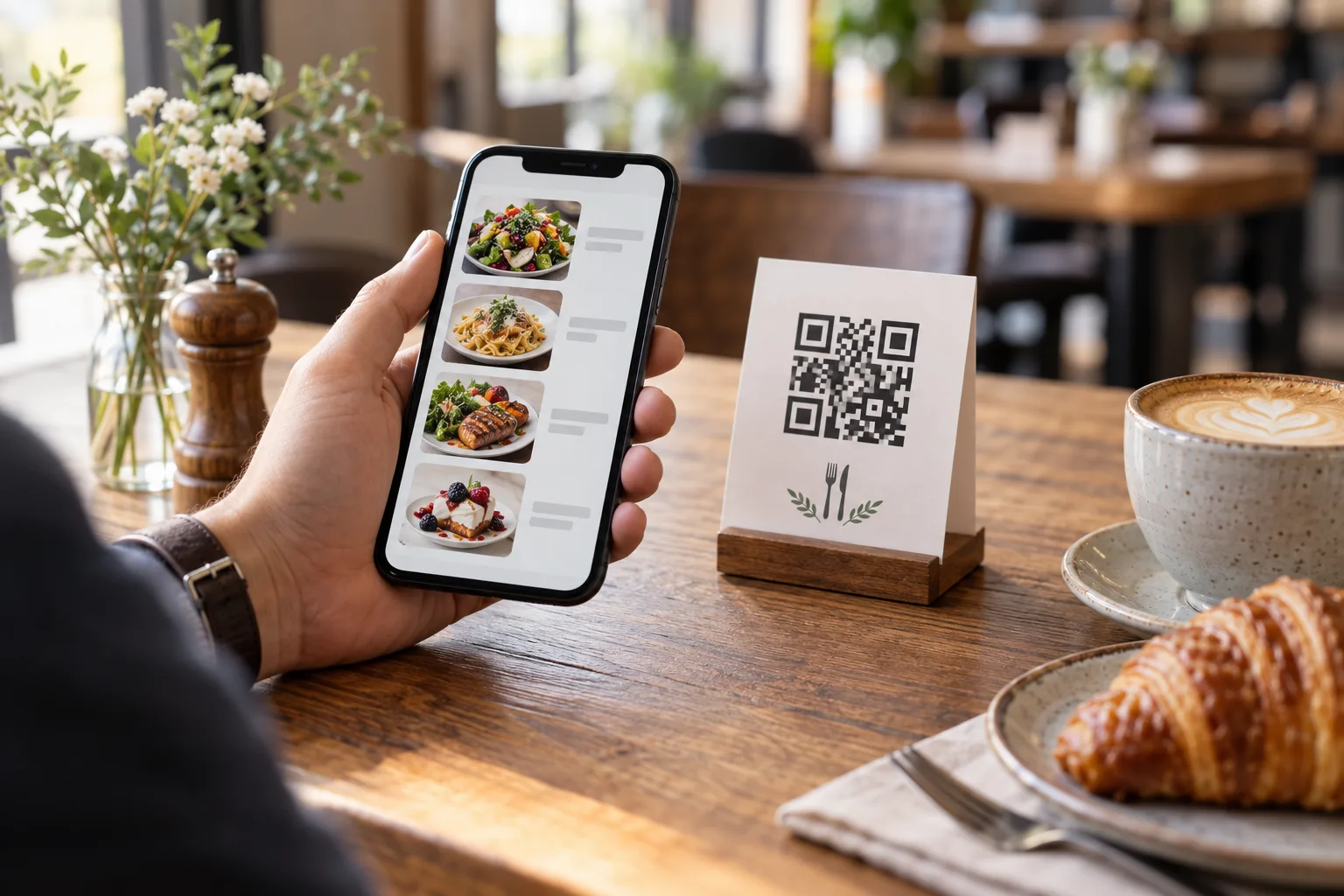
Show them off visually. Sauces are photogenic, and a vivid drizzle or a small dish of color makes a plate look more valuable. On a digital menu you can add a photo of your signature dish — sauce front and center — and pin it to the top of the relevant category. With GetFreeMenu you can feature these dishes with images, reorder them to prime positions, and update descriptions seasonally, so your most craveable, highest-margin plates always lead the page.
The Bottom Line
Sauces are the rare menu element that improves flavor, speeds up service, lifts perceived value, and builds brand identity all at once — and they do it using some of the cheapest ingredients in the kitchen. Master a handful of versatile recipes like these five, batch them, name them, feature them prominently, and they will quietly become the reason guests remember your restaurant and come back for more.