The difference between a kitchen that thrives during a rush and one that drowns is almost never talent. It is preparation. The best line cooks are not cooking each dish from scratch when the tickets pile up — they are assembling components they prepared hours earlier. This is the heart of mise en place: cook once, in volume, then plate to order in seconds. This guide covers the batch-prep recipes and systems that let a small team serve a full dining room without falling behind.
Why Batch Prep Is the Backbone of Service
A dish that takes twenty minutes from raw ingredients can take ninety seconds to plate if the components are ready. Batching moves the slow, labor-intensive work into quiet pre-service hours when one cook can run several processes at once. During service, the line simply heats, combines, and finishes. The payoff is faster ticket times, more consistent food, less stress, and lower labor cost per cover.
It also reduces waste. When you cook a base in volume and portion it precisely, you control yield far better than cooking à la minute, where small over-portions on every plate quietly erode your margin.
Build a Base Tomato Sauce Once
A neutral tomato base is the single most useful thing in a prep kitchen. It becomes pasta sauce, pizza sauce, shakshuka, braising liquid, and soup.
Batch recipe (yields about 4 liters): sweat 4 diced onions and 10 cloves of garlic in olive oil, add 2 large cans of crushed tomatoes, a handful of basil stems, salt, and a pinch of sugar. Simmer 45 minutes, then cool quickly and refrigerate in labeled, dated containers. Portion into 500 ml deli containers so the line grabs exactly what a few orders need.
To finish to order, a cook pulls one container, adds the dish-specific elements — chili and garlic for arrabbiata, cream and vodka for a pink sauce, peppers and eggs for shakshuka — and the plate is ready in under three minutes.
Pre-Sear and Braise Your Proteins
Braised meats are a batch cook's best friend because they actually improve after resting a day. Short ribs, pork shoulder, lamb shanks, and beef cheeks can all be braised in large batches, cooled, and held for several days.
Batch recipe (short rib, yields about 12 portions): season and sear the ribs hard, build a braising liquid of mirepoix, tomato paste, red wine, and stock, then cook covered at low heat for three hours until fork-tender. Cool the meat in its liquid — this keeps it moist and lets the fat rise so you can lift it off cleanly. To serve, reheat a portion in a little strained, reduced braising liquid and plate over polenta or mash.
Food cost stays low because tough, cheap cuts are exactly the ones that braise best, and the technique is nearly foolproof once the oven is set.
Dressings and Sauces in Volume
Cold sauces and dressings are pure batch territory — they keep for days and take seconds to apply. A house vinaigrette, a tahini sauce, a chimichurri, and an aioli will cover most of a menu.
House vinaigrette (yields about 1 liter): whisk or blend 250 ml acid (lemon juice or vinegar), 1 tablespoon Dijon, a little honey, salt, and slowly stream in 700 ml oil to emulsify. Store in a labeled squeeze bottle. A cook dresses a salad in five seconds instead of measuring oil and acid for every order, which also guarantees consistency — the seasoning never drifts from plate to plate.
Aioli and other egg-based emulsions should be dated carefully and held no longer than your food-safety rules allow, but within that window they transform fries, sandwiches, and roasted vegetables into higher-value plates.
Par-Cook Starches and Vegetables
Few things slow a line like cooking pasta or rice from dry during a rush. Par-cook in bulk instead. Blanch pasta to about 80 percent, shock in ice water, toss in a little oil, and portion. To order, a thirty-second dunk in boiling water finishes it. The same logic applies to par-roasted potatoes, blanched green vegetables held in ice baths, and steamed rice kept hot in a rice warmer.
This single habit can cut several minutes off every plate that includes a starch, which during a 200-cover service adds up to hours of reclaimed line time.
A Simple Labeling and Rotation System
Batch prep only works if the kitchen trusts what is in the walk-in. Label every container with the contents and the prep date, and run strict first-in-first-out rotation. A whiteboard prep list that shows par levels — how much of each component you should have on hand for the expected covers — tells the prep cook exactly what to make each morning and prevents both shortfalls and over-production.
Color-coded tape, clear date labels, and a standard container size for each component remove guesswork. When every cook knows that the 500 ml containers are tomato base and the 1 liter squeeze bottles are vinaigrette, service runs on autopilot.
Connect Prep to What You Actually Sell
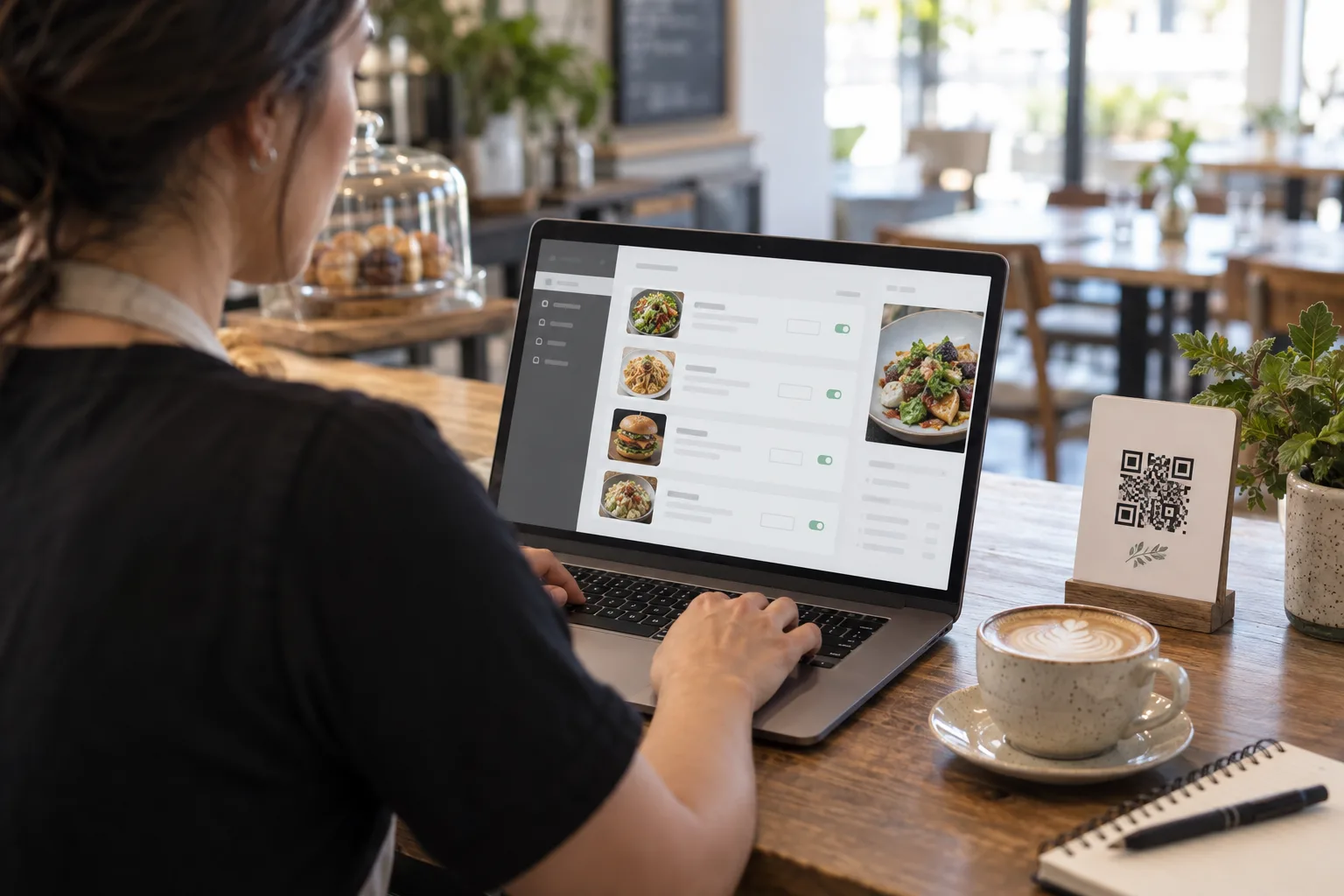
The smartest prep decisions come from data. If you know that your braised short rib outsells your fish three to one on weekends, you batch accordingly and never run out of the money-maker or over-prep the slow seller. A digital menu helps here in two ways: you can instantly mark a component-limited dish as sold out when the batch runs low — so guests never order what you cannot make — and your sales reports show you which dishes move, so tomorrow's par levels are based on real numbers rather than guesses. With GetFreeMenu, toggling an item's availability takes a second and updates every table at once, which protects both the guest experience and your prep planning.
The Bottom Line
Batch prep is not about cooking ahead and serving tired food. It is about doing the slow, careful work in advance so that during service your team can finish each plate fresh, fast, and consistently. Build a few versatile bases — a tomato sauce, a braise, a vinaigrette, par-cooked starches — label everything, rotate strictly, and let your sales data drive your par levels. The result is shorter ticket times, steadier quality, less waste, and a calmer kitchen, even on your busiest night.